Archive Page 20

Simone de Beauvoir – Rezeption, Wirkung, Aktualität

Zum Auftakt der Vortragsreihe “Simone de Beauvoir” findet heute abend 18-20 Uhr im Kupferbau, Hörsaal 24, Universität Tübingen die eröffnungsveranstaltung statt: Ursula Konnertz wird eine kurze Einführung in das Werk und Wirken von Simone de Beauvoir geben. In der anschließenden Podiumsdiskussion setzen sich Wissenschafltlerinnen aus interdisziplinärer Perspektive und mit dem Blick verschiedener Generationen mit der politischen und wissenschaftlichen Wirkung von Beauvoirs wichtigstem Buch “Das andere Geschlecht” auseinander. Teilnehmen werden die evangelische Theologin und Mitbegründerin der feministischen Theologie Elisabeth Molmann-Wendel, die Bundestagsabgeordnete Biggi Bender (Bündnis 90/Die Grünen) sowie die Literaturwissenschaftlerin und Gleichstellungsbeauftragte der Universität Tübingen Schamma Schahadat.

Today the lecture series “Simone de Beauvoir” will start with a podium on Beauvoirs opus magnum “the second sex”. Ursula Konnertz will give a brief introduction to life and work of Simone de Beauvoir. Then theologist and co-founder of feminist theology Elisabeth Moltmann-Wendel, member of the Bundestag for Bündnis90/Die Grünen Biggi Bender and Schamma Schahadat, equal opportunities officer of Tübingen University will discuss the the political and scientific impact of “the second sex”.
Simone de Beauvoir – eine interdisziplinäre Vortragsreihe

Simone de Beauvoir would have celebrated her 100th birthday this year. The french existentialist philosopher, author and feminist theoretician is seen as the most important female intellectual of the 20th century. Starting from her individualistic critique in the 1940ies, she developed one of the most important key readings of the second feminist movement and a magnum opus of feminist theory: “The Second Sex” was first published in 1949. Together with a lot of other writings and political statements she created the project of her life. In her lifetime her person and opus were highly controversial, her writings is full of fractures and not yet fully interpreted.

Within the interdisciplinary series of lectures, central topics of Simone de Beauvoirs opus are adressed by political scientists, philosophers, theologians, literary scholars, historians and politicians. What are still actual topics, which aspects of Simone de Beauvoirs thought can be related to contemporary problems and ideas?

The lecture series will be held in German and will start on 6th November 2008, 18.00 at Hoersaal 24, Kupferbau in Tübingen with a panel discussion. The lecture series is organized by Patricia Graf, Ursula Konnertz and myself in cooperation with Rosa-Luxemburg-Forum Baden-Wuerttemberg, Heinrich-Boell-Stiftung Baden-Wuerttemberg, Institut francaise Tübingen, the teaching equalty programme (TEA) of Tübingen University and UI-Plan.

You can find the flyer in German with all the data here: flyer-beauvoir

Some more impressions from Moscow

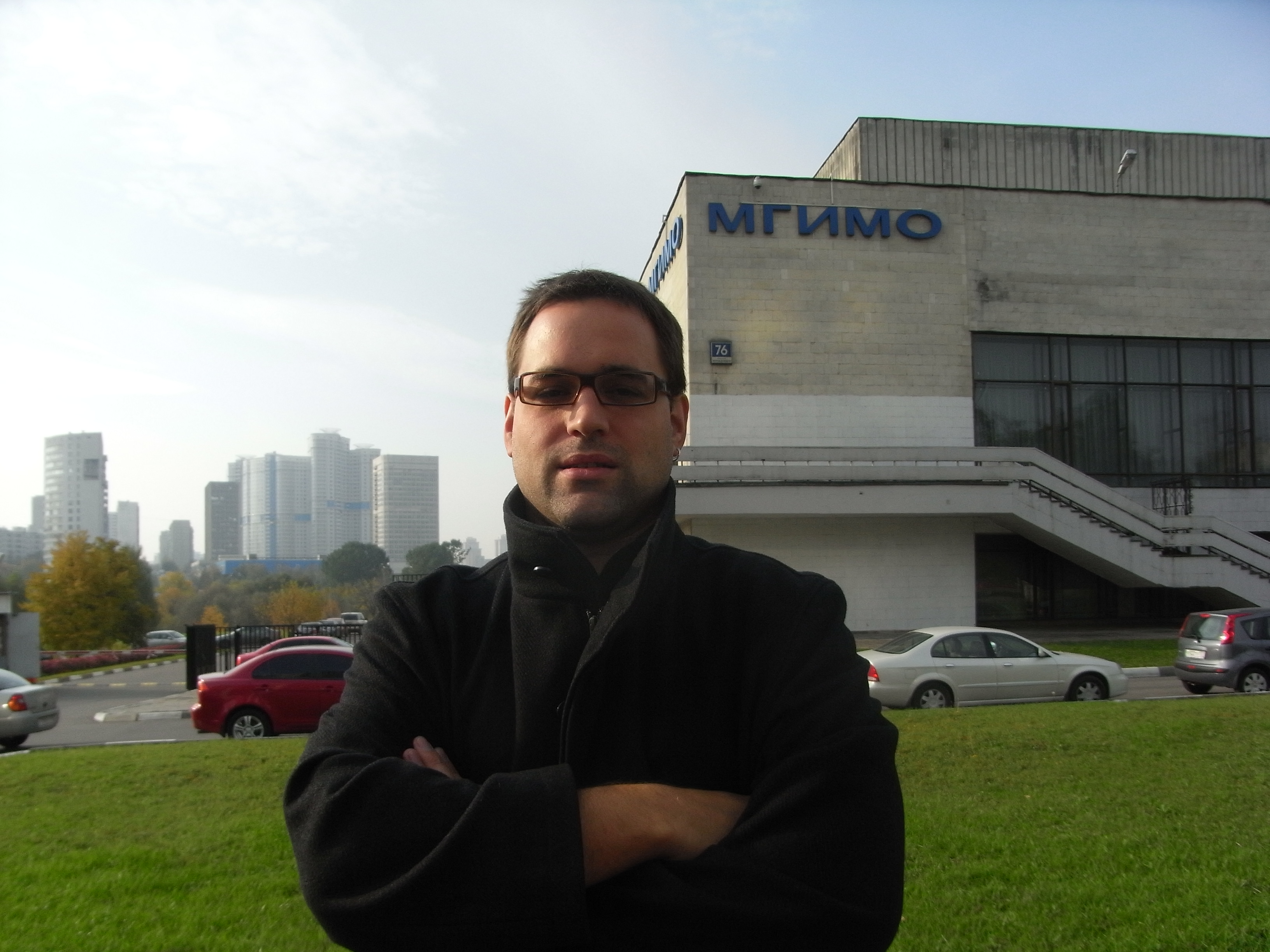
Accoring to a long and well established russian tradition (at least I was told it is one), photographs serve as evidence for having really been to the place you pretend having visited it. So, I was a kind of forced to make some pictures that are not really this spontaneous: But hey look, I have really been there at prospekt vernadskogo 76, where MGIMO-University is located

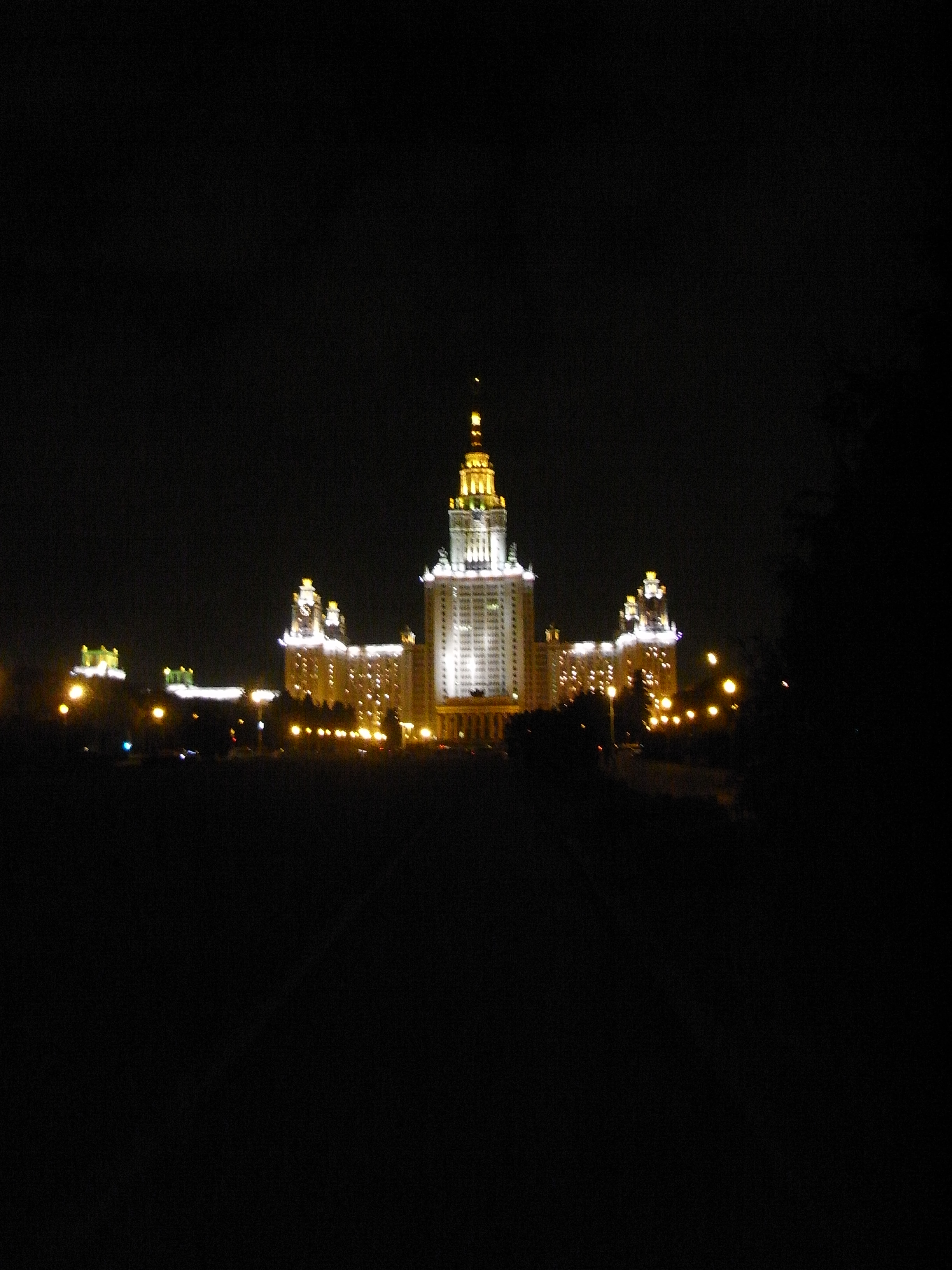
But there are some more impressions, that I find quite more interesting. Like most of the visitors do, I have been to a “Moscow by night-Tour”, that actually was arranged only for me by the lovely people I worked with at MGIMO. (Thanks again to Roman and Alena!). For sure, the followin might be one of the most photographed sites. It is one of the so called “seven sisters”: The central campus of Lomonossow-University that was built from 1948-1953 in this impressingly monumentous stalinistic style of architecture sited at vorobiyvy gory or in english sparrow hill.

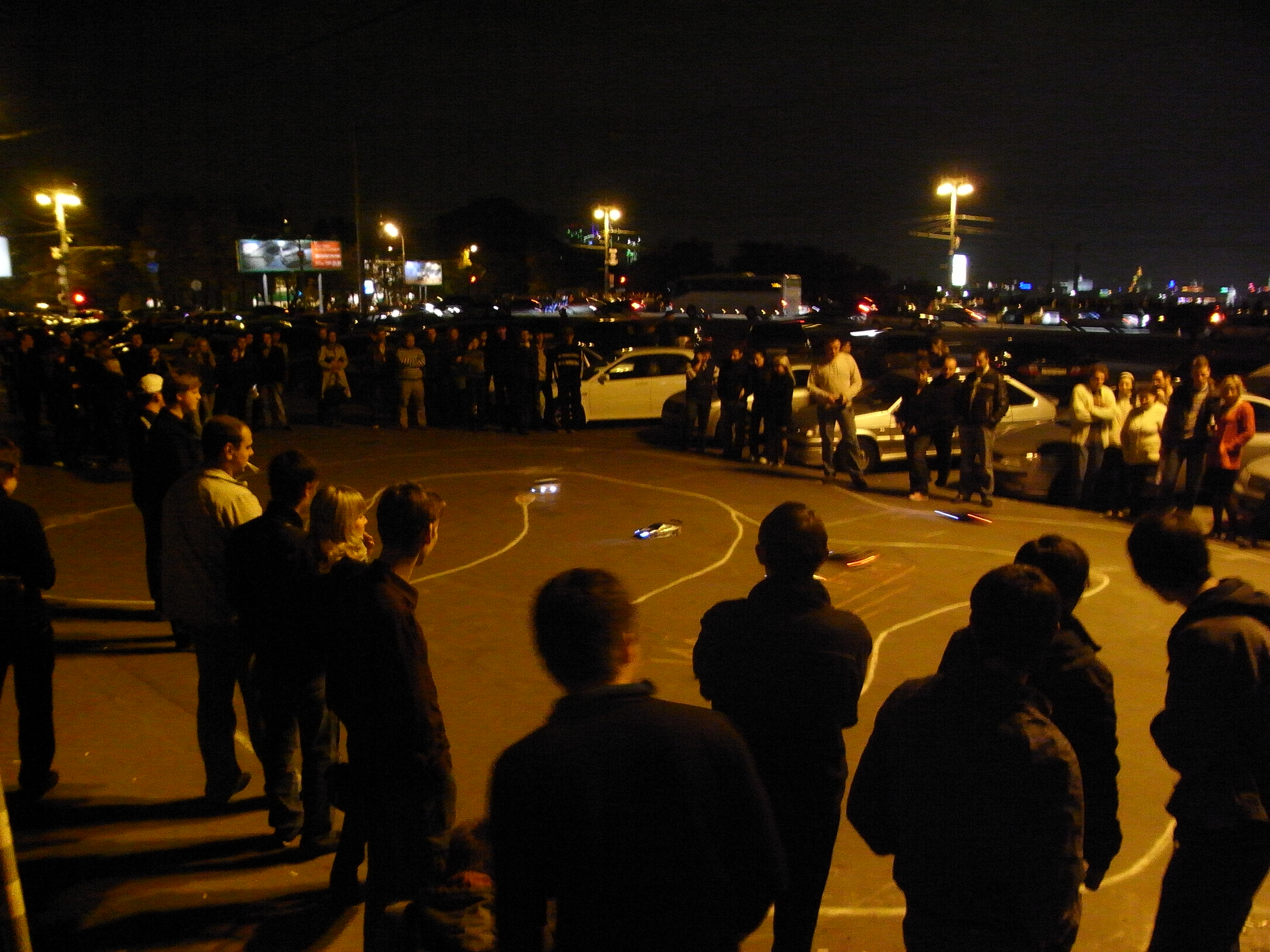
Vorobiyvy gory is also the place where the younger ones meet in somewhat warmer nights and that is why it is quite crowdy there. And it is the place where the fast and the furious of Moscow meet to celebrate their dedication to fast cars and street racing. Unfortunately, this is something that the Police also knows and as they are really present there, the street racers have to look for alternatives. One of them is to use RC-Cars.

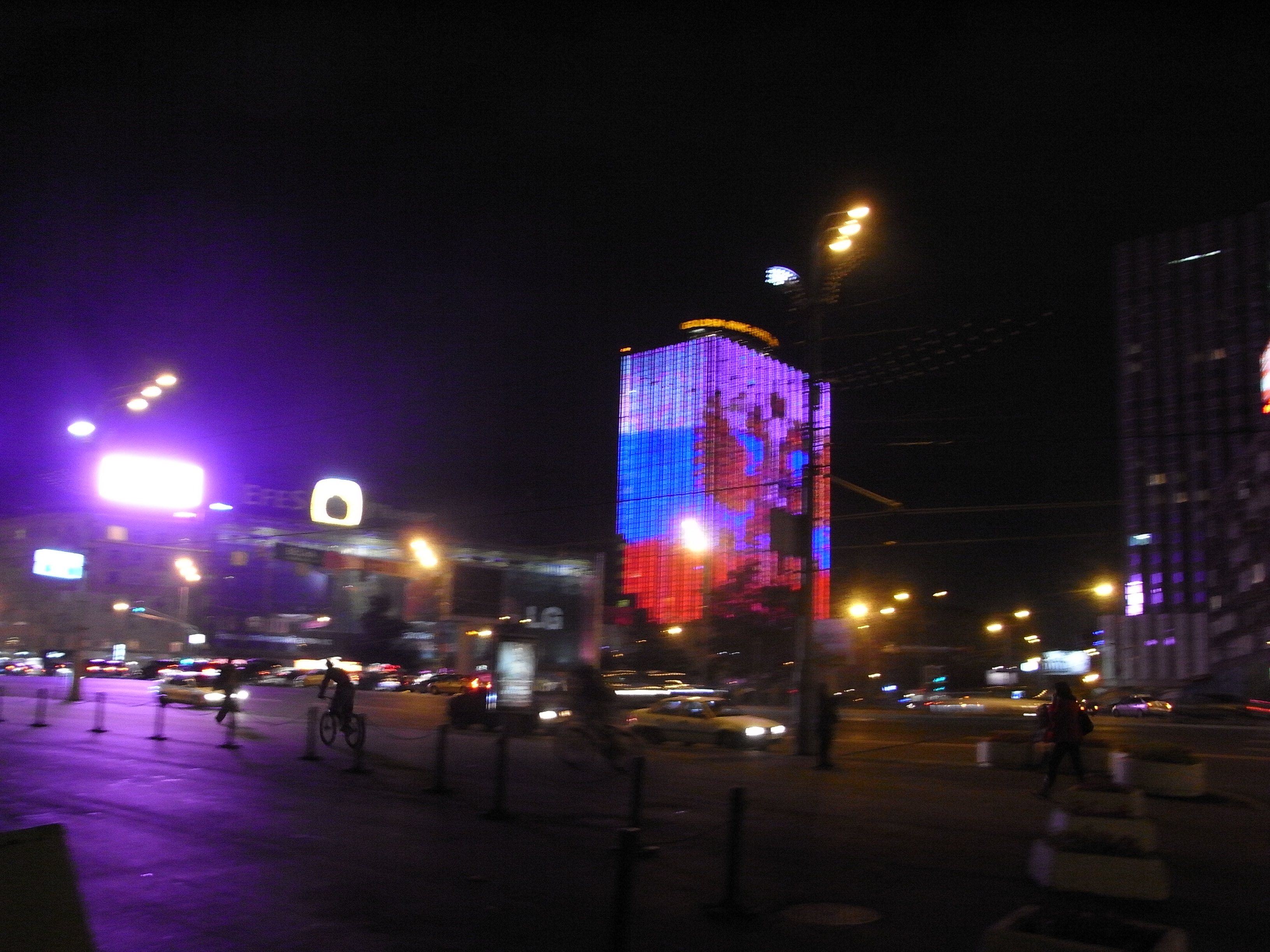
It is really amazing how many lights there are, and how many bulidings are illuminated in bright colors. One that I found really nice was a hotel in the centre of Moscow near the Ministry of Foreign Affairs. It combined advertisment, light-show and Russian Patriotism in a very elegant way that is impossible to overlook.

Back to daylight there were also very interesting things that I assumed to be worth being photographed. On was the amateur style internet and housewideweb at the dormitory of Lomonossow-University, that actually looked like a supersized spiderweb.

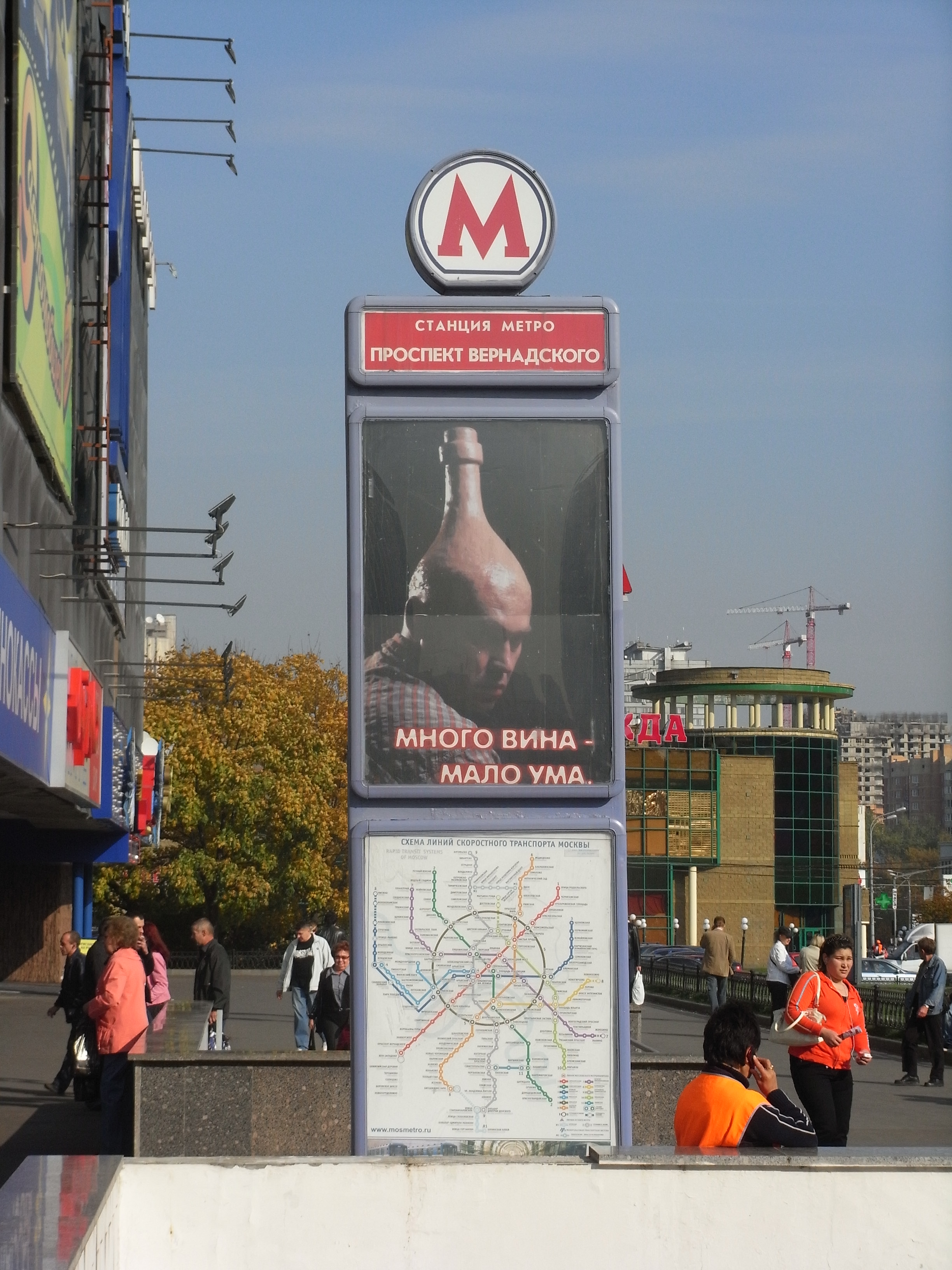
And it was two advertisments, one of which adresses a real and important problem in Russia in a quite drastic but humourous way: alcoholism. The text approximately means “the more you drink, the less brain you have”.

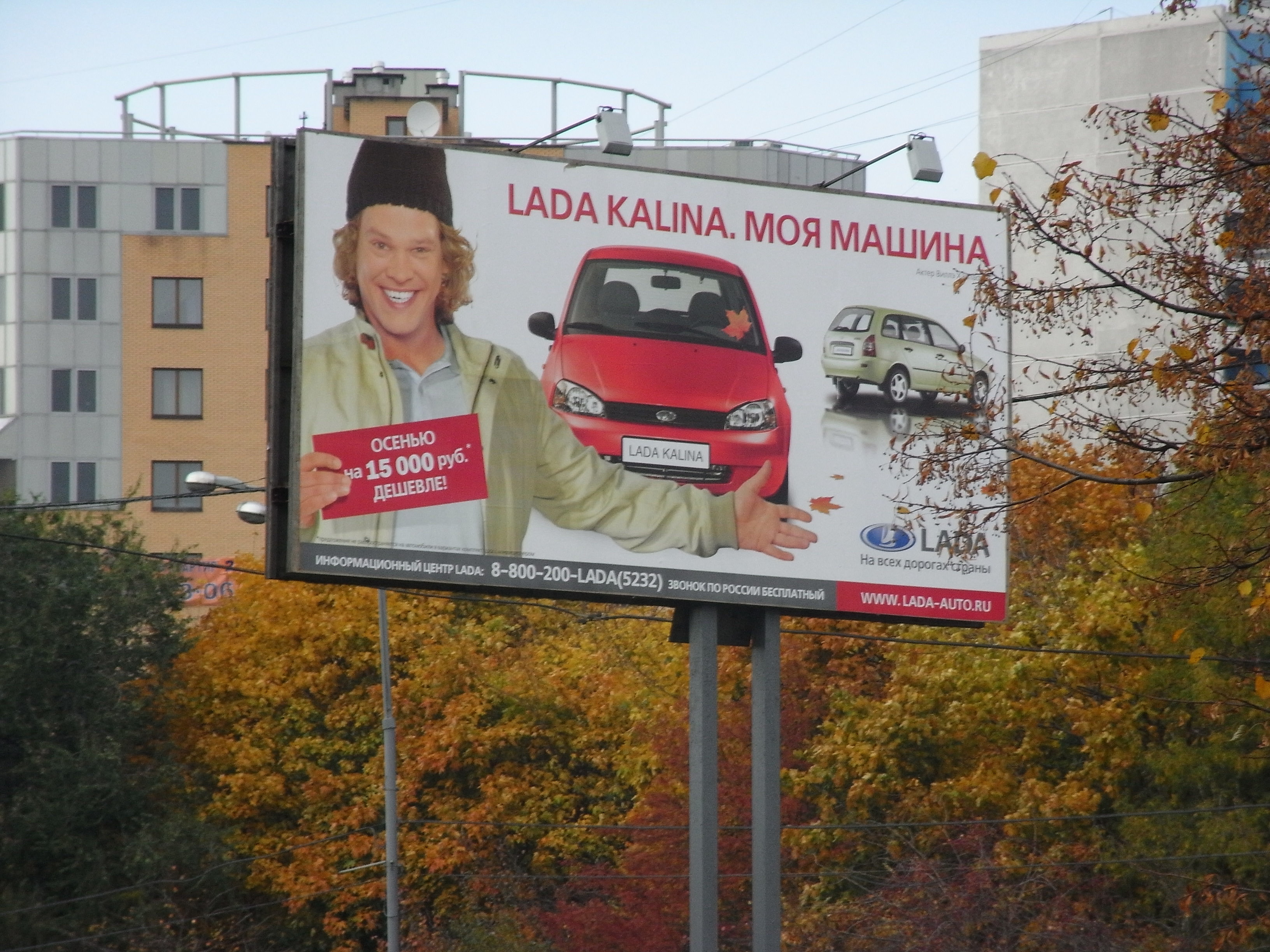
The other one also speaks for itself, or what would you do with a guy implementing such a marketing strategy as “lada kalina -moya mashina” and combining it with such a picture? Hey dude, better find yourself safe place to stay or pray for good sales figures.

I like this city! There are so many impressions….

Two new Publications on the Middle East

Within the scientific row “Weltregionen im Wandel”, volumes 4 and 5 are published and available now.

Volume 4 “Der Staat im Vorderen Orient”, (The State in the Middle East), edited by Peter Pawelka, adresses concepts of the State in the Middle East. This Region is the only one in the world with 5000 years of traditions and concepts of the State. This bureaucrat, interventionist, and authoritarian type of state struggles nowadays struggles to survive in a globalized world. In this volume, renowned authors discuss the historic and cultural roots of the oreintal state and his developmental perspectives.

Volume 5 “Politischer Islam im Vorderen Orient” (Political Islam in the Middle East), edited by Holger Albrecht and Kevin Köhler, adresses one of the most discussed phenomena in the Arab World and offers an insightful overview of the different phenotypes of Political Islam and discusses both conceptional questions and particular islamist movements in the most important countries of the Middle East, e.g. the egyptian Muslim Brotherhood, the development of political Islam in Algeria, and the question of islamist movements in Iraq.

Taken together these volumes contribute to a deeper understanding of the Middle Easts’ political,  historic, cultural and religious history and actual development.

Some first impressions from Moscow

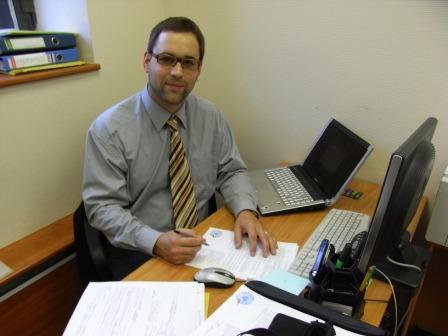
The most important thing in Moscow is to have an appropriate working place. Fortunately I can use an office at MGIMO:

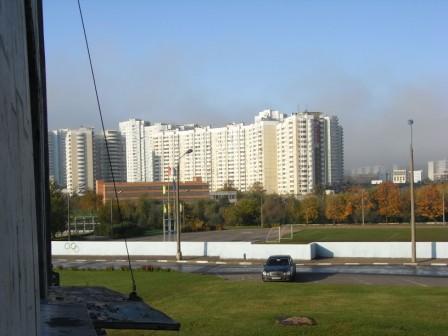
A second important thing is to have a good view out of your window. As I am located at the first floor of the dormatory it could be better but anyway it is quite impressing. It seems to me that Moscow is composed out of skyscrapers…..

As soon as I will find the time to do anything else but working, there will be more impressions from other parts of Mosacow.


Categories